
3D Models for Safety Training
In the evolving landscape of workplace safety, traditional training methods are being revolutionized by the integration of digital technologies. 3D modeling, a powerful tool in...
In the evolving landscape of workplace safety, traditional training methods are being revolutionized by the integration of digital technologies. 3D modeling, a powerful tool in the digital arsenal, is leading this transformation, offering businesses unprecedented opportunities to enhance their safety training programs. Gerald Ferreira's website, https://geraldferreira.com, is at the forefront of exploring and implementing these innovations, particularly focusing on how 3D models can be utilized for safety training applications.
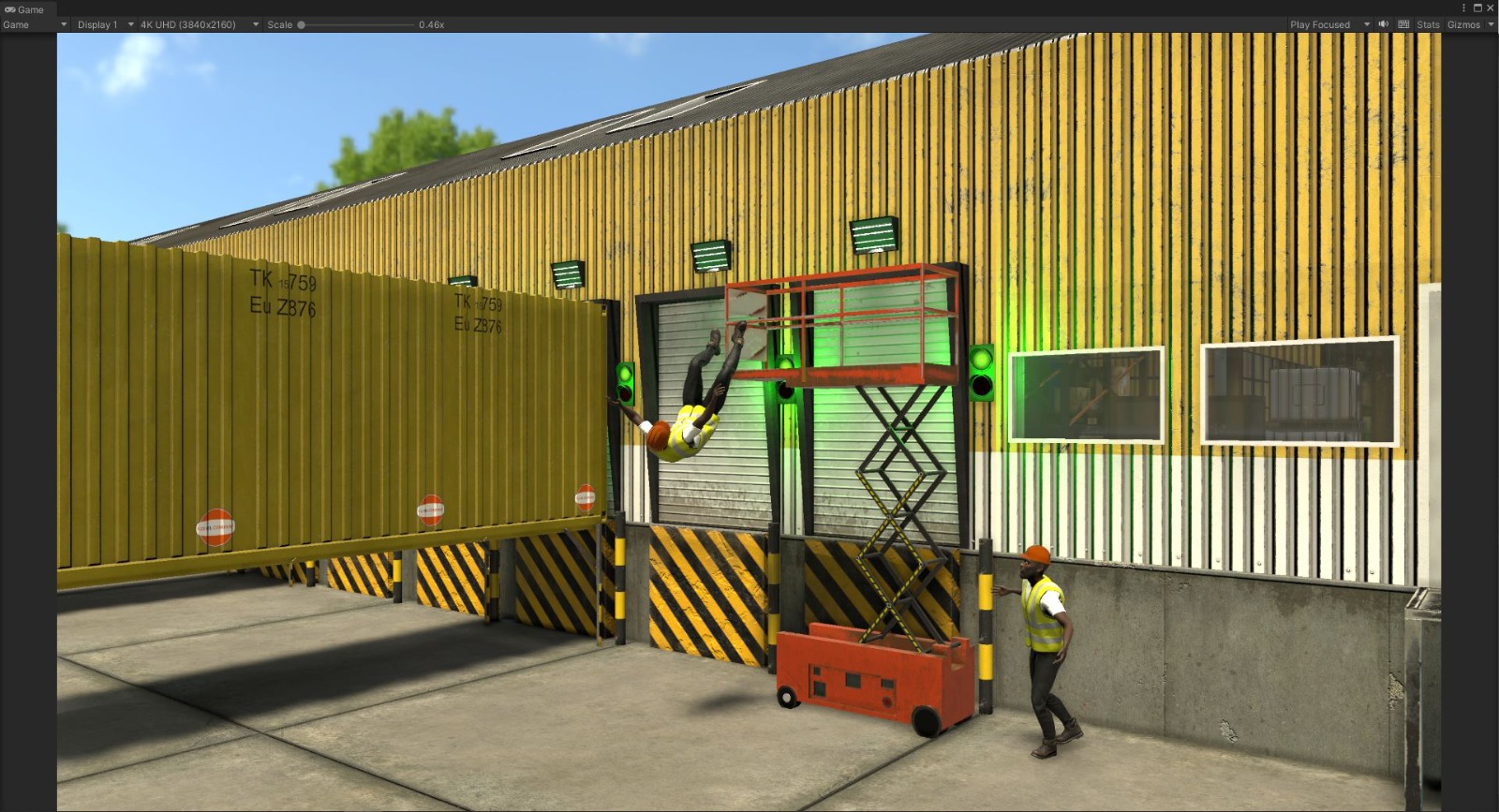
The Value of 3D Models for Safety Training
Engagement and Realism
Traditional safety training often relies on manuals, videos, and classroom instruction, which can fail to fully engage participants. 3D models bring a new dimension of interactivity and realism, making training sessions more engaging and impactful.
By immersing employees in virtual environments that closely mimic real-world scenarios, businesses can ensure that the training not only captures attention but also enhances the learning experience.
Retention and Understanding
The use of 3D models in safety training has shown to improve retention of information. Visual learning, especially when interactive, helps participants understand complex procedures and safety protocols more effectively.
This deepened understanding is crucial in high-stakes environments where remembering detailed safety procedures can prevent accidents and save lives.
Risk-Free Simulation
One of the greatest advantages of using 3D models for safety training is the ability to simulate dangerous situations in a risk-free setting. Employees can practice their response to emergency situations, operate hazardous machinery, and learn to navigate potentially dangerous environments without real-world risks.
This not only ensures the safety of the trainees but also builds their confidence in handling real-life situations.
Cost-Effectiveness
While the initial investment in 3D modeling technology may seem significant, it is cost-effective in the long run. Reducing the need for physical mock-ups, travel, and on-site training, 3D models allow businesses to conduct comprehensive safety training virtually, saving time and resources.
Additionally, these models can be updated and reused for different training cohorts, further enhancing their value.
Types of 3D Models for Safety Training
Machinery Operation Simulations
One prevalent application of 3D models in safety training involves simulations of machinery and equipment operation. These models offer a hands-on experience in a virtual environment, allowing employees to familiarize themselves with machinery functions, controls, and safety features before handling real equipment.
This approach is especially beneficial for high-risk industries such as manufacturing, construction, and mining, where equipment proficiency is crucial for safety.
Emergency Evacuation Procedures
3D modeling is also instrumental in training employees on emergency evacuation procedures. Through immersive simulations, employees can navigate complex scenarios including fire outbreaks, chemical spills, or natural disasters.
These models can be tailored to replicate an organization’s specific work environment, providing realistic and practical training experiences that prepare employees for real-life emergencies.
Hazardous Material Handling
Handling hazardous materials requires strict adherence to safety protocols to prevent accidents and ensure worker safety. 3D models can simulate scenarios involving dangerous chemicals or materials, teaching employees correct handling, storage, and disposal methods.
Virtual interaction eliminates the risks associated with physical training while providing a safe platform for learning and assessment.
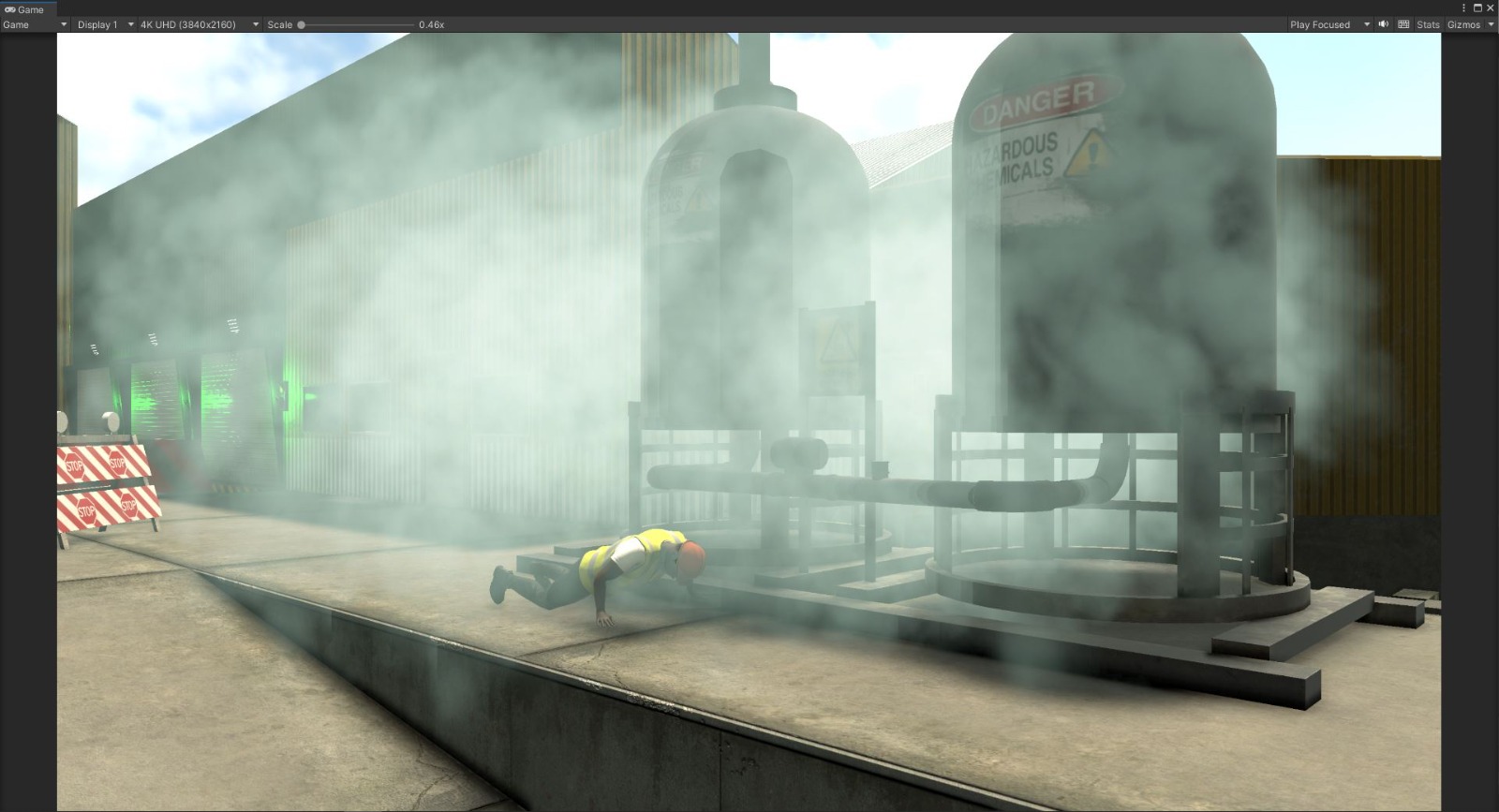
Developing Effective 3D Models for Safety Training
Planning and Design Considerations
The first step in creating effective 3D models for safety training is thorough planning and understanding of training objectives. Identifying specific skills and knowledge to be imparted helps design models that are focused and relevant.
Choosing the Right Tools and Technologies
The development of 3D models requires selecting appropriate software and technologies. Tools with high-quality graphics, realistic physics engines, and user-friendly interfaces are preferred for immersive training experiences.
Technologies such as virtual reality (VR) or augmented reality (AR) can further enhance realism and engagement.
Iterative Development and Feedback
Developing effective 3D models is an iterative process involving testing, feedback, and refinement. Pilot testing with a small group of users provides valuable insights into effectiveness, usability, and areas for improvement.
Incorporating feedback ensures the final product meets training objectives and user expectations.

Case Studies: Success Stories of 3D Models in Safety Training
Several businesses have successfully implemented 3D models for safety training programs, witnessing significant improvements in employee engagement, knowledge retention, and overall safety performance.
1. Manufacturing Industry
A leading manufacturing company introduced 3D models for training employees on operating complex machinery. The immersive training environment allowed workers to gain hands-on experience virtually, resulting in a noticeable decrease in on-site accidents and machinery mishandling.
2. Oil and Gas Sector
An oil and gas company utilized 3D models to simulate emergency response scenarios, including oil spills and fire outbreaks. The realistic simulations enhanced employees' preparedness and response times during actual emergencies.
3D modeling represents a paradigm shift in safety training, offering businesses a dynamic and effective method to educate their workforce. Through engaging simulations, realistic scenarios, and risk-free environments, 3D models elevate the training experience, ensuring employees are better prepared to handle real-world challenges.
As digital transformation continues, the integration of 3D models in safety training applications is set to become a standard, paving the way for a safer and more competent workforce.
Gerald Ferreira's exploration of 3D modeling for safety training applications underscores the importance of adopting innovative technologies to enhance workplace safety. By leveraging the power of 3D models, businesses can transcend traditional training limitations and move toward a more interactive and effective future.
Author: Gerald Ferreira